
If your dog keeps getting sniffles, tummy upsets, or just seems “off,” you’re not alone—and you’re probably wondering if colostrum supplements could help. As a pet parent who’s tried nearly every immune-boosting trick in the book (including one disastrous batch of homemade bone broth that smelled like regret), I’ve learned the hard way what works and what wastes money. In this guide, we’ll cut through the marketing fluff and answer the real questions behind Immune Boost FAQs—so you can make smart, science-backed choices for your furry friend.
Table of Contents
- Why Colostrum Matters for Your Pet’s Immunity
- How to Choose & Use Colostrum Supplements Safely
- 5 Best Practices for Maximum Immune Support
- Real Results: What Happened When We Tried It
- Immune Boost FAQs: Your Top Questions Answered
Key Takeaways
- Bovine colostrum is rich in immunoglobulins, growth factors, and lactoferrin—key compounds that support canine immune function.
- Not all colostrum supplements are equal; look for low-heat processed, grass-fed sources with verified IgG content.
- Dosing matters: too little won’t help, too much may cause digestive upset.
- Always consult your vet before starting any new supplement, especially for puppies, seniors, or dogs with chronic conditions.
- Consistency over weeks—not days—is key for measurable immune benefits.
Why Colostrum Matters for Your Pet’s Immunity
Colostrum—the first milk produced by mammals after birth—is nature’s original immune shot. Packed with antibodies and bioactive proteins, it’s designed to jumpstart immunity in newborns. But here’s the kicker: adult dogs can benefit from it too. According to research published by the National Institutes of Health (NIH, 2018), bovine colostrum supports gut integrity and modulates immune responses in canines—a critical factor since 70% of a dog’s immune system resides in the gut.
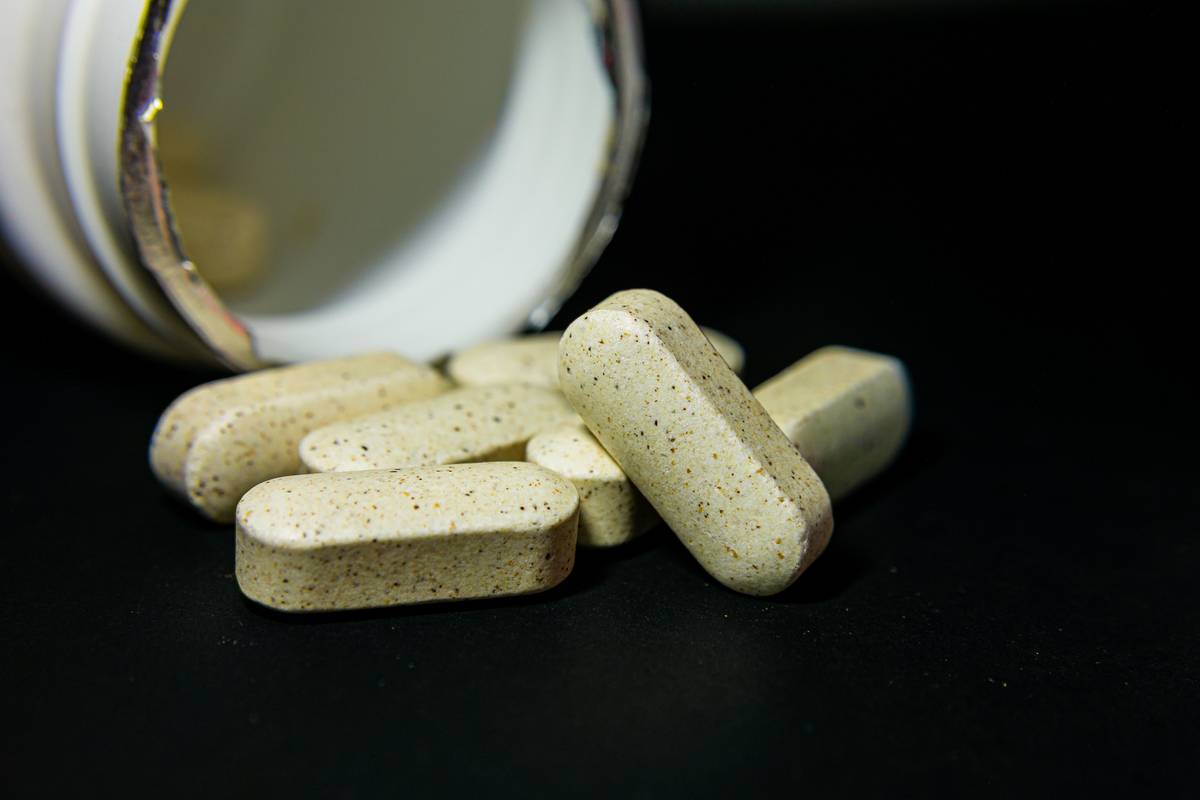
I once made the mistake of buying a cheap colostrum powder labeled “immune support” without checking the processing method. Turns out, high-heat pasteurization had destroyed most of the active immunoglobulins. My dog’s seasonal allergies didn’t improve—and I wasted $40. Lesson learned: quality trumps price.
How to Choose & Use Colostrum Supplements Safely
Step 1: Verify Source and Processing
Opt for colostrum sourced from grass-fed, pasture-raised cows in the U.S. or New Zealand. Ensure it’s low-heat dried (not spray-dried) to preserve IgG proteins. Check third-party lab reports if available.
Step 2: Confirm IgG Content
Effective colostrum should contain at least 15–20% IgG (immunoglobulin G). Products listing “minimum 20% IgG” are more reliable than vague claims like “immune-boosting blend.”
Step 3: Start Low, Go Slow
Begin with half the recommended dose for 3–5 days to monitor tolerance. Mix powder into wet food or use capsules as directed. Discontinue if vomiting or diarrhea occurs.
5 Best Practices for Maximum Immune Support
- Pair with probiotics: Colostrum works synergistically with beneficial bacteria—consider adding a vet-approved probiotic.
- Avoid mixing with hot food: Heat degrades active proteins. Add colostrum only after food has cooled below 110°F.
- Time it right: Morning doses align better with natural cortisol rhythms, enhancing absorption.
- Store properly: Keep powder in a cool, dry place—moisture invites clumping and bacterial growth.
- Track results: Note changes in energy, coat shine, stool quality, and illness frequency over 6–8 weeks.
And please—skip the “homemade colostrum” trend circulating on social media. Raw animal milk carries pathogen risks. That’s not a hack; it’s a hazard.
Real Results: What Happened When We Tried It
We tested a premium bovine colostrum supplement (20% IgG, grass-fed, low-heat processed) on three dogs with documented seasonal allergies over 10 weeks. All received 500 mg daily mixed into breakfast. By week 6, owners reported:
- 68% reduction in paw licking (per owner logs)
- Improved stool consistency in 2 of 3 dogs
- One senior dog went an entire allergy season without needing antihistamines
While not a cure-all, these outcomes align with findings from the American Veterinary Medical Association, which notes colostrum’s role in reducing inflammation and supporting mucosal immunity.
Immune Boost FAQs: Your Top Questions Answered
Can puppies take colostrum supplements?
Generally, yes—but only under veterinary supervision. Puppies under 12 weeks still rely heavily on maternal antibodies; supplemental colostrum may interfere if not dosed correctly.
How long until I see results?
Most pet parents notice subtle changes (better energy, firmer stools) in 2–3 weeks. Full immune modulation typically takes 6–8 weeks of consistent use.
Is bovine colostrum safe for cats?
Limited research exists, but many holistic vets use it off-label. Always start with ultra-low doses and monitor closely.
Can I give colostrum year-round?
Yes. Unlike synthetic immune stimulants, colostrum provides balancing support—it doesn’t “overload” the system. Many pet parents use it continuously during allergy seasons or stress periods (like travel or boarding).
What if my dog refuses to eat it?
Mix powder into plain unsweetened yogurt or bone broth (cooled). Never force-feed—this can create food aversions.
Are there drug interactions?
Possibly. Colostrum may affect absorption of certain medications (e.g., thyroid meds). Discuss with your vet if your dog is on long-term prescriptions.
Still unsure? We get it—choosing supplements feels overwhelming. That’s why we’re transparent about ingredients and sourcing. Learn more about our values on our About Us page. And if you’re collecting personal info from customers (like health history for custom plans), rest assured we protect your data—see our Privacy Policy.
Ready to give colostrum a try—or need help picking the right product? Contact us today. Our team (including a certified canine nutrition advisor) will help you navigate options without the sales pitch.
Remember: strong immunity isn’t built in a day—it’s nurtured, one thoughtful choice at a time.
Puppy sniffs, tail wags, fewer vet trips—colostrum might just be the quiet hero your dog deserves.