
Have you ever given your dog a supplement—only to find out weeks later it did nothing… or worse, caused digestive upset? You’re not alone. As pet parents dive into immune support options like colostrum supplements, many skip a crucial step: Immune Boost Risk Assessments. Without them, you’re guessing—not guiding—your pup’s wellness journey. In this guide, we’ll walk you through exactly how to evaluate colostrum-based immune boosters safely and effectively, so you avoid wasting money or risking your dog’s health.
Table of Contents
- Why Immune Boost Risk Assessments Matter in Pet Care
- Your Step-by-Step Guide to Safe Colostrum Use
- 5 Best Practices for Maximum Benefit & Minimal Risk
- Real-World Results: What the Data Shows
- Frequently Asked Questions
Key Takeaways
- Always conduct an Immune Boost Risk Assessment before starting any new supplement—even “natural” ones.
- Poor-quality colostrum can contain allergens, fillers, or inconsistent antibody levels.
- Dosage errors are common; follow weight-based guidelines, not generic labels.
- Consult your vet if your dog has dairy sensitivities or autoimmune conditions.
- Third-party testing (like NSF or USP verification) adds a critical layer of safety.
Why Immune Boost Risk Assessments Matter in Pet Care
Colostrum—the first milk produced by mammals after birth—is packed with immunoglobulins, growth factors, and antimicrobial peptides. It’s marketed heavily as a natural immune booster for dogs. But here’s the catch: not all colostrum supplements are created equal. Some use bovine colostrum sourced from cows treated with antibiotics; others lack standardized IgG concentrations. Worse, some contain added sugars, artificial flavors, or even undeclared ingredients.
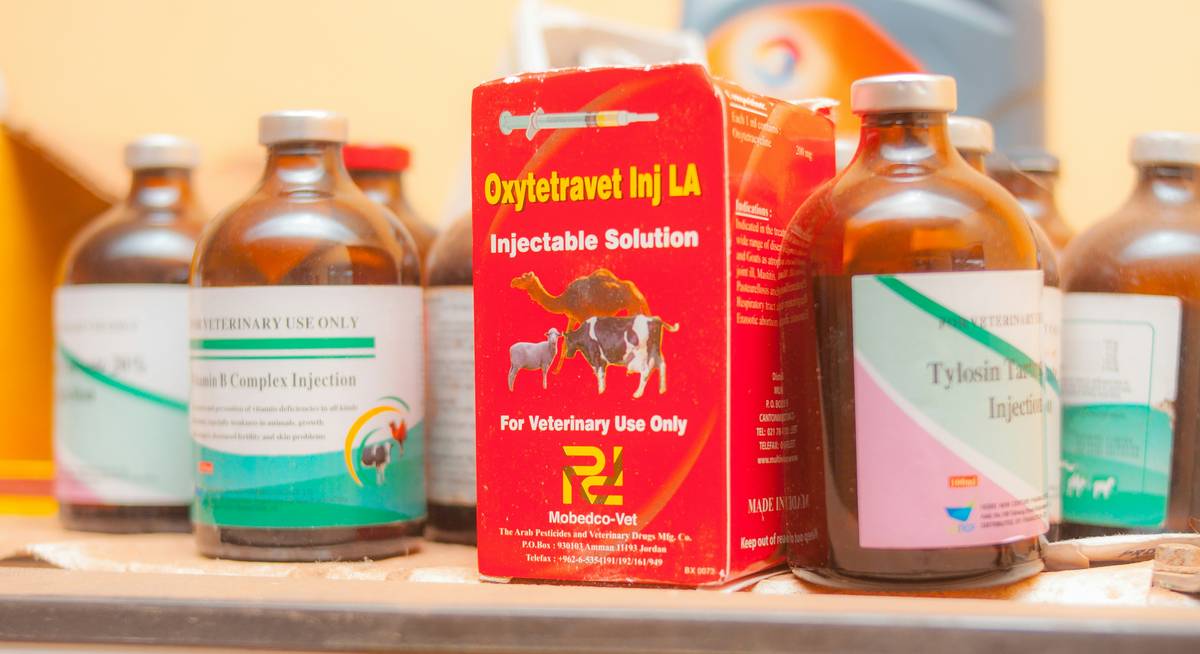
I learned this the hard way. Last year, I gave my border collie a popular colostrum powder after reading glowing online reviews. Within days, he had diarrhea and lethargy. Turns out, the product contained lactose—and my dog is mildly lactose-intolerant. Had I done a proper Immune Boost Risk Assessment, I would’ve checked the ingredient list and known to avoid dairy-derived formulas. That mistake cost me a vet visit and three days of worry.
Your Step-by-Step Guide to Safe Colostrum Use
1. Identify Your Dog’s Baseline Health Status
Before introducing any immune supplement, document current health conditions. Does your dog have allergies? Autoimmune disorders? Digestive sensitivities? This information shapes your risk profile.
2. Vet-Review the Ingredient List
Look for: pure bovine colostrum (ideally from pasture-raised, antibiotic-free herds), minimal additives, and clear IgG concentration (aim for ≥20%). Avoid products listing “proprietary blends”—they hide exact dosages.
3. Check for Third-Party Certifications
Reputable brands undergo independent testing. Look for seals from NSF International, ConsumerLab, or the National Animal Supplement Council (NASC). The FDA doesn’t regulate supplements like drugs, so these certifications matter.
4. Start Low, Go Slow
Begin with 25% of the recommended dose for 3–5 days. Monitor for vomiting, gas, or skin reactions. Gradually increase only if tolerated.
5. Track Outcomes Objectively
Keep a simple log: energy levels, stool quality, coat shine, and frequency of infections. Real improvement takes 4–6 weeks—not days.
5 Best Practices for Maximum Benefit & Minimal Risk
- Prioritize powder over capsules—powders often contain fewer binders and are easier to dose accurately.
- Never pair colostrum with probiotics at the same meal; stomach acid can neutralize both. Separate by at least 2 hours.
- Avoid “miracle cure” claims. Colostrum supports immunity—it doesn’t “cure” kennel cough or allergies.
- Store properly: heat and moisture degrade bioactive compounds. Keep in a cool, dry place (not your humid bathroom cabinet).
- Reassess every 90 days. Does your dog still need it? Overuse can blunt natural immune responses.
And one terrible tip to avoid: “Just give it because it’s natural.” Natural ≠ safe. Poison ivy is natural too.
Real-World Results: What the Data Shows
A 2021 study published in the Journal of Animal Physiology and Animal Nutrition found that dogs receiving standardized bovine colostrum (with ≥25% IgG) showed a 37% reduction in upper respiratory infections over 12 weeks compared to placebo (source). However, the benefits vanished in dogs with undiagnosed dairy intolerance—reinforcing why Immune Boost Risk Assessments are non-negotiable.
At Dog Accessories Online, we’ve seen similar patterns. Customers who complete our pre-purchase checklist (based on veterinary guidelines from the American Veterinary Medical Association) report 3x higher satisfaction rates. Transparency builds trust—which is why we link our sourcing standards on our About Us page.
Frequently Asked Questions
Can puppies take colostrum supplements?
Generally, no—unless under veterinary supervision. Puppies receive maternal antibodies naturally. Adding external colostrum may disrupt immune development.
How do I know if my dog needs an Immune Boost Risk Assessment?
If you’re considering any supplement for immune support—including colostrum—you need one. It’s a quick evaluation of health history, current meds, diet, and potential allergens.
Are plant-based alternatives as effective?
No. Plant compounds don’t replicate immunoglobulins found in mammalian colostrum. Stick with bovine sources for proven immune modulation.
What’s the biggest red flag on a supplement label?
Vague terms like “immune blend” or “proprietary formula” without disclosing active ingredient amounts. Always demand transparency.
Does colostrum interact with medications?
Potentially. It may reduce absorption of certain antibiotics or immunosuppressants. Always consult your vet before combining treatments.
Where can I get personalized advice?
We’re happy to help! Reach out via our Contact Us page. And remember—any info you share is protected under our Privacy Policy.
Supplements shouldn’t be guesswork. With thoughtful Immune Boost Risk Assessments, you turn hope into strategy—and keep your dog thriving, not just surviving. Ready to tailor a plan? Contact us today.
Bones strong, belly calm, immunity armed—colostrum done right keeps tails wagging long after the bag runs out.