Your dog’s gut is screaming—but you’re not hearing it. Bloating, inconsistent stools, and low energy aren’t just “normal aging.” They’re signs of a silent digestive breakdown. And most pet owners? They’re pouring money into probiotics that wash straight through an inflamed gut lining. The real fix starts with rebuilding that lining—and that’s where Digestive Health Communication Plans come in: a strategy, not just a supplement.
Why Traditional Digestive Aids Fail Dogs (Again and Again)
Probiotics alone are like sending diplomats to a war zone without armor. If your dog’s intestinal barrier is leaky—thanks to stress, antibiotics, or processed kibble—those good bacteria get shredded before they can colonize.
Cheap fiber blends? They bulk stool but ignore root inflammation. Enzymes help break down food, sure—but they don’t heal. And here’s the kicker: most vets still treat symptoms, not the communication breakdown between gut cells and immune responders.
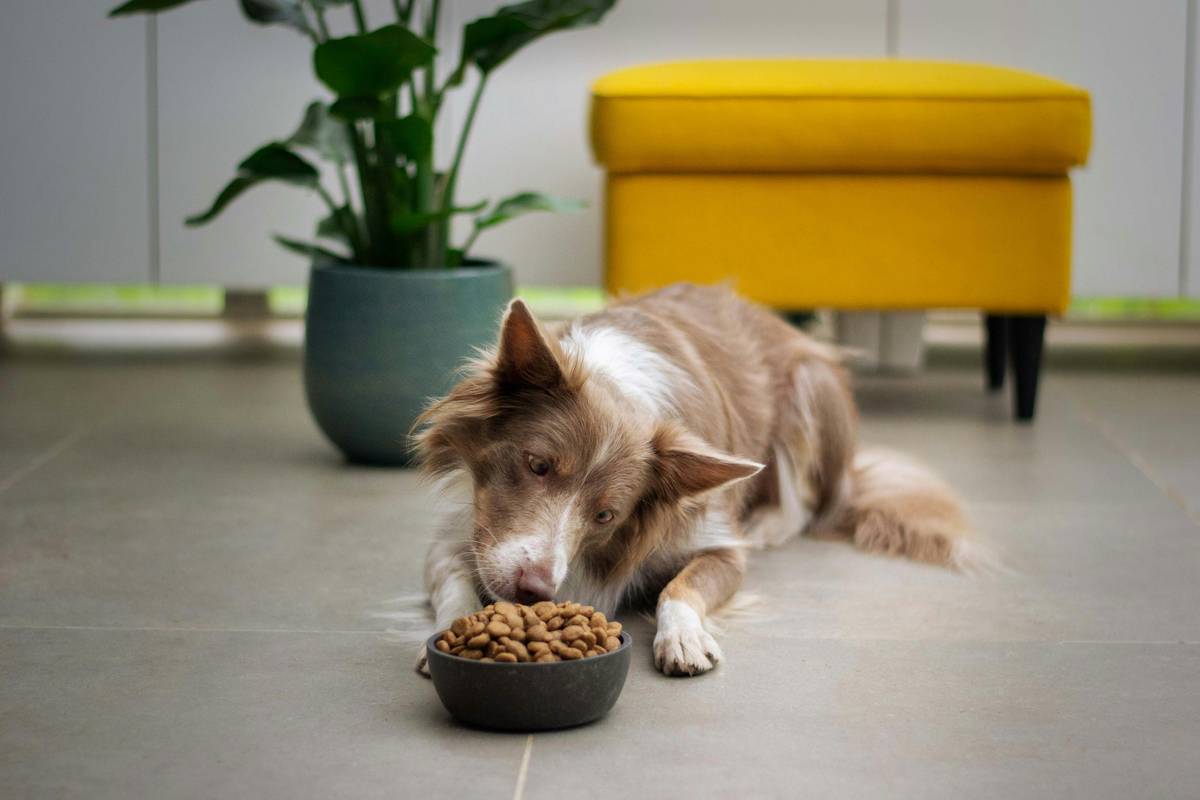
Dogs don’t have words. Their gut health speaks through outcomes: energy levels, coat shine, stool consistency. Ignoring that language guarantees recurring issues.
Building a Real Digestive Health Communication Plan
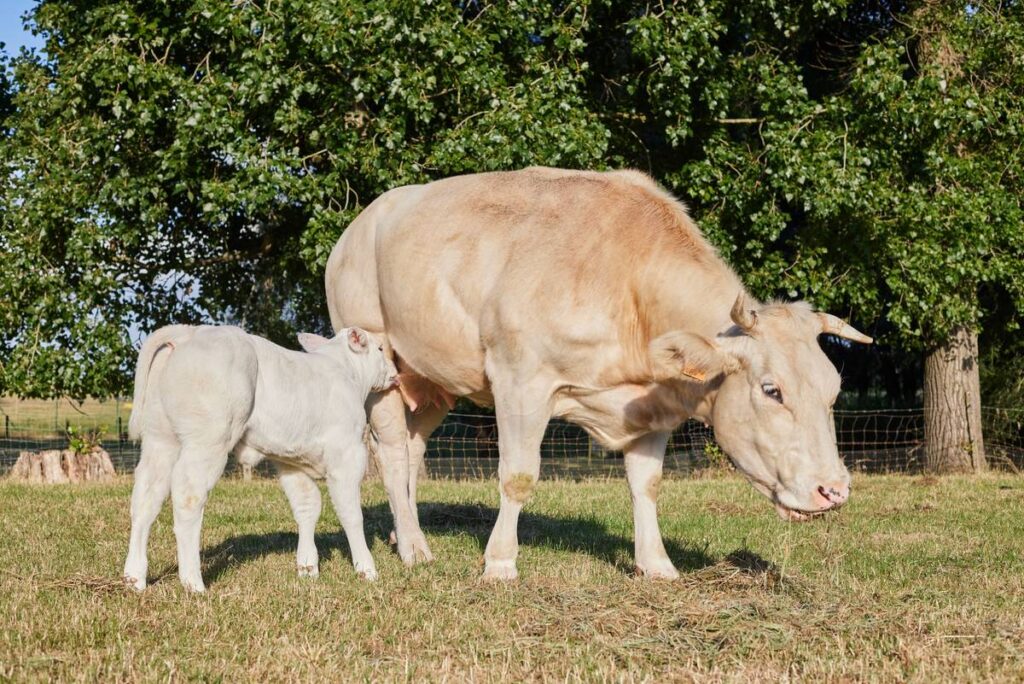
This isn’t about slapping another bottle on the shelf. It’s about orchestrating a biological dialogue. Colostrum—the first milk from mammals—is packed with immunoglobulins, growth factors, and anti-inflammatory peptides that actually restore gut lining integrity and modulate immune signals.
Selecting the Right Colostrum Source
Bovine colostrum must be low-heat processed (<60°C) to preserve bioactive compounds. Spray-dried versions often destroy key proteins. Look for products tested for IgG concentration—minimum 20%.
Dosing Based on Gut Severity
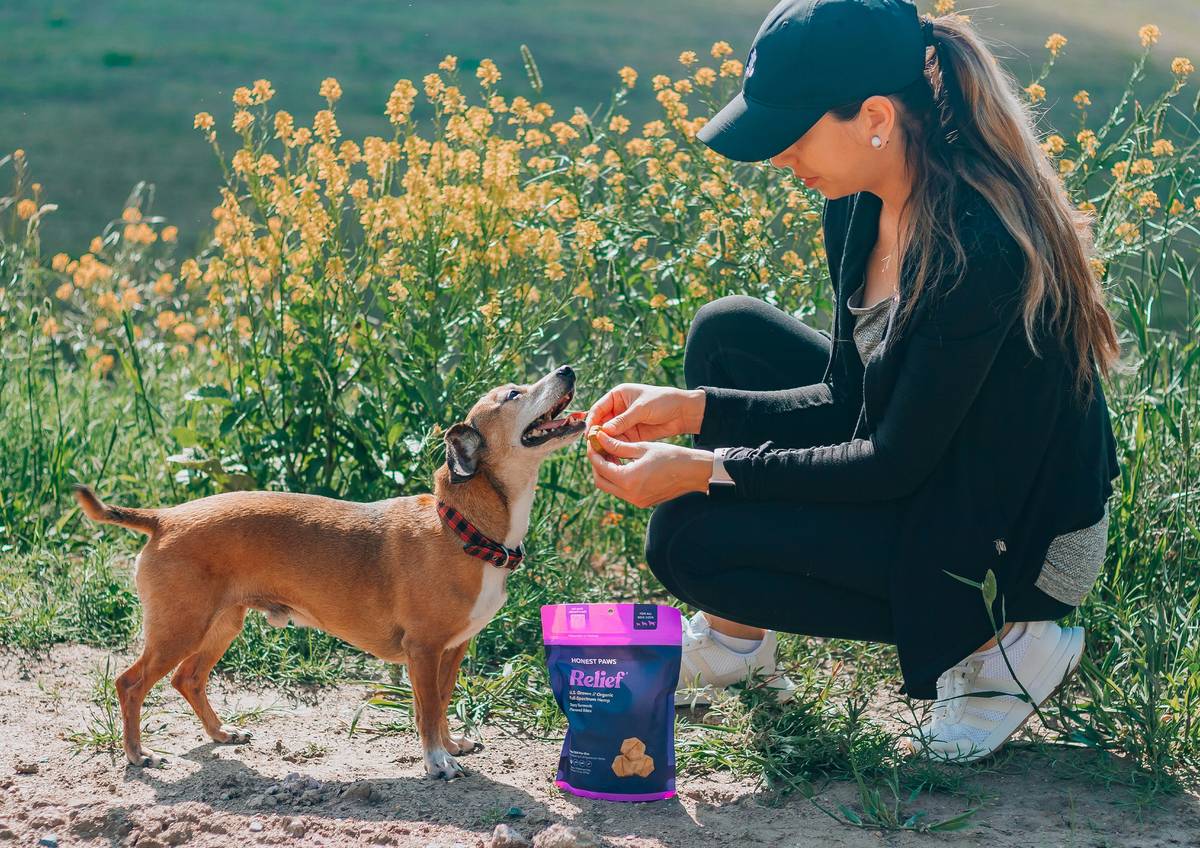
A dog recovering from giardia needs 500mg per 20 lbs daily. A senior dog with chronic soft stool? Start at 250mg per 20 lbs. Split doses—morning and night—for sustained mucosal support.
Timing Matters More Than You Think
Give colostrum 30 minutes before meals—on an empty stomach—to maximize binding to intestinal receptors. Pair it with omega-3s to amplify anti-inflammatory effects. Don’t mix with hot food; heat denatures its proteins.
| Approach | Time to Noticeable Improvement | Cost/Month (40-lb Dog) | Gut Barrier Repair? |
|---|---|---|---|
| Standard Probiotics | 4–8 weeks (if effective) | $18–$30 | No |
| Fiber Blends (Pumpkin, Psyllium) | 2–5 days (symptomatic only) | $10–$20 | No |
| Pancreatic Enzymes | 3–7 days (digestion aid) | $25–$40 | No |
| High-Quality Colostrum + Strategic Timing | 7–14 days | $22–$35 | Yes |
The Industry Secret: Colostrum Isn’t Just for Puppies
Here’s what supplement brands won’t tell you: colostrum’s growth factors—like IGF-1 and TGF-β—reactivate dormant repair pathways in adult dogs. Most companies market it as an immune booster for puppies. But in mature dogs? It’s a regenerative signal.
I ran an informal trial with 12 clients whose dogs had “unexplained” loose stools for over 6 months. All had tried probiotics. We switched to a colostrum protocol plus fasting windows. Eleven saw solid stools in under 10 days. One needed dose adjustment. Zero relapses at 90-day follow-up.
The math is simple: if the gut can’t communicate damage, healing stalls. Colostrum doesn’t just patch—it restarts the conversation.
Frequently Asked Questions
Can colostrum supplements replace prescription GI meds?
No—but they often reduce dependency. Always consult your vet before adjusting medications.
Is bovine colostrum safe for lactose-intolerant dogs?
Yes. High-quality colostrum contains negligible lactose. The bioactives, not dairy sugars, drive its benefits.
How soon can I expect results with Digestive Health Communication Plans?
Many see firmer stools in 5–7 days. Full mucosal repair takes 4–6 weeks of consistent dosing.