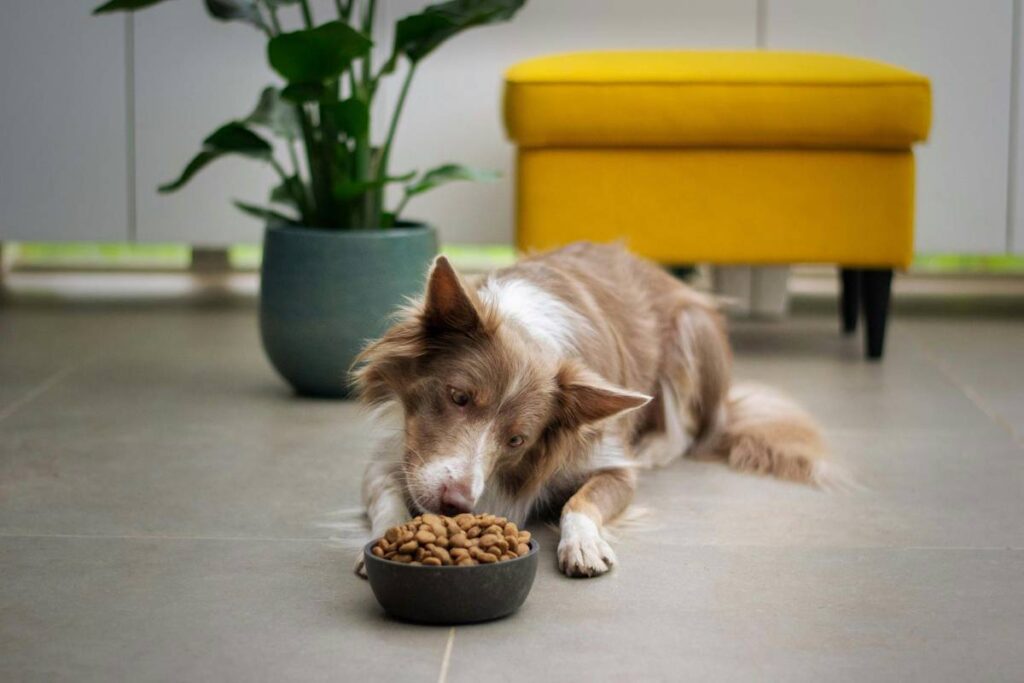
Is your dog’s stomach constantly acting up—gas, loose stools, or zero appetite? You’ve tried probiotics, bland diets, even vet-prescribed meds. Yet relief is temporary at best. Here’s the hard truth: most “Digestive Support” solutions treat symptoms, not root causes. But what if the missing piece has been hiding in plain sight—literally in nature’s first milk?
Why Standard Digestive Aids Keep Failing Your Dog
Probiotics? They’re fragile. Many die before reaching the gut. Enzymes? Often dosed too low to matter. And fiber blends? They might bulk stool but do nothing for gut lining integrity.
Most commercial supplements ignore one critical factor: immune-gut crosstalk. Over 70% of a dog’s immune system lives in the gastrointestinal tract. If that barrier is compromised—leaky, inflamed, or thin—no amount of yogurt or pumpkin will fix it long-term.
And here’s the kicker: chronic low-grade inflammation from poor gut health silently drains energy, dulls coat shine, and even worsens allergies. Think about it. You’re not just managing poop—you’re protecting overall vitality.
Your Step-by-Step Guide to Effective Digestive Support with Colostrum
What Makes Bovine Colostrum Unique?
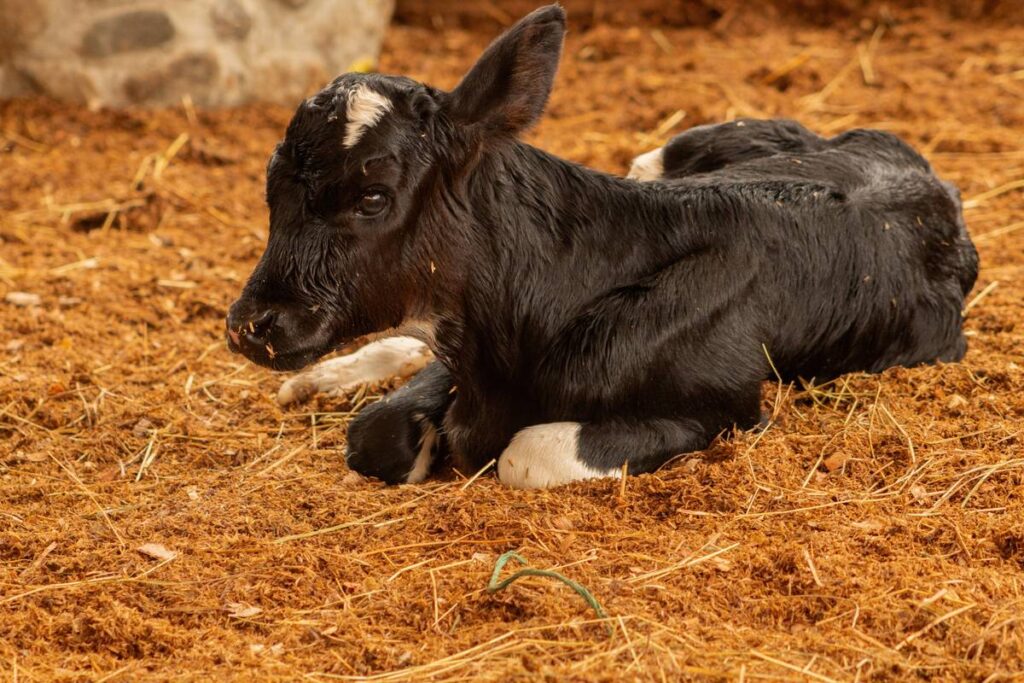
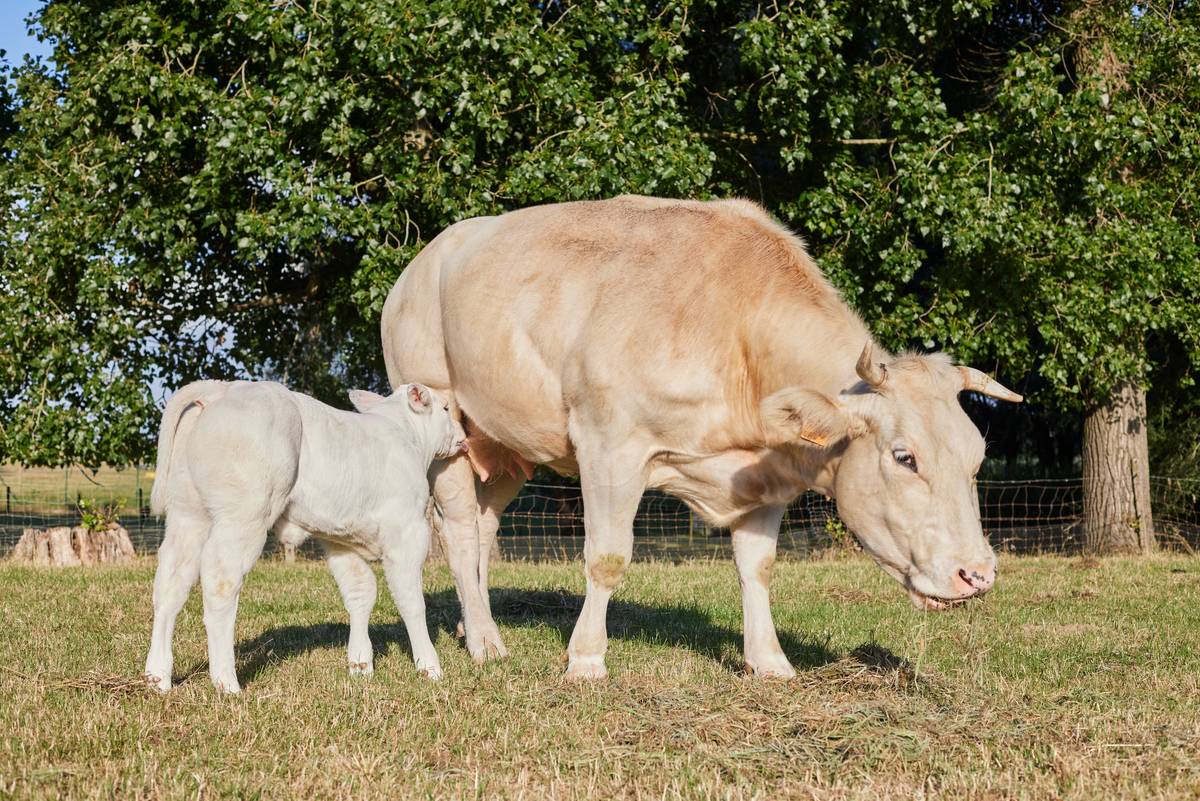
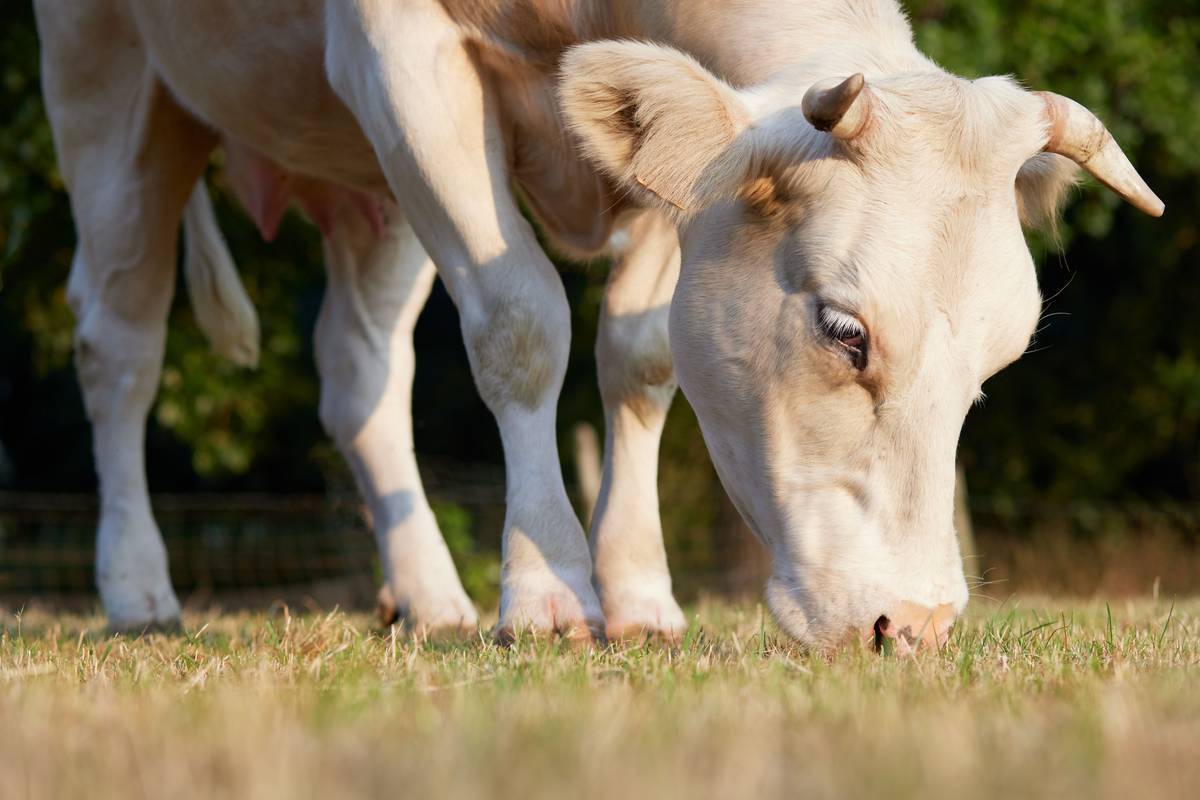
Bovine colostrum—the first milk from cows—is packed with immunoglobulins (IgG), growth factors, lactoferrin, and proline-rich polypeptides. Unlike synthetic additives, these compounds actively repair the gut lining and modulate immune response.
How to Choose a High-Quality Colostrum Supplement
Not all colostrum is equal. Look for:
- Low-heat processed (to preserve bioactive proteins)
- Sourced within 6–12 hours post-calving
- IgG concentration clearly listed (minimum 20% IgG)
- No fillers like maltodextrin or artificial flavors
Dosing & Administration Protocol
Start low. For a 30-lb dog, begin with 250 mg once daily on an empty stomach. After 3 days, move to twice daily if tolerated. Always pair with fresh water—hydration boosts mucosal healing.
Give it 2–3 weeks. Gut repair isn’t overnight. Track changes in stool consistency, energy levels, and even paw licking (a hidden sign of gut-driven inflammation).
| Approach | Onset of Action | Targets Root Cause? | Avg. Monthly Cost* |
|---|---|---|---|
| Probiotics Alone | 3–7 days | No | $12–$20 |
| Pumpkin/Fiber Blends | 1–2 days | No | $8–$15 |
| Bovine Colostrum (High-IgG) | 5–14 days | Yes | $18–$28 |
| Prescription GI Meds | 1–3 days | Sometimes | $35–$60+ |
*Based on average 30-lb dog maintenance dose. Costs vary by brand purity.
The Industry Secret: Colostrum Works Best With Fasting Windows
Here’s what supplement labels won’t tell you: colostrum’s immunoglobulins absorb best when the gut isn’t busy digesting food. Administer it at least 30–45 minutes before meals—or better yet, during an overnight fast.
Veterinary nutritionists I’ve consulted swear by this timing trick. One told me about a rescue greyhound with lifelong diarrhea. Standard protocols failed. Then they gave colostrum at 6 a.m.—before breakfast—and within 10 days, stools normalized. Not magic. Just biochemistry respected.
And don’t fear the fat content in whole colostrum. Contrary to old-school advice, those lipids actually enhance absorption of fat-soluble peptides. Skimmed versions? Often stripped of key co-factors.
Frequently Asked Questions
Can puppies take colostrum supplements?
Yes—after weaning. Puppies over 8 weeks can safely use low-dose colostrum for immune and digestive support, especially if orphaned or stressed.
Will colostrum cause diarrhea?
Rarely. Some sensitive dogs may experience soft stools initially as gut flora rebalances. Reduce dose temporarily and ensure it’s given away from food.
How is this different from regular milk powder?
Colostrum isn’t milk. It’s a concentrated immune serum produced only in the first 24–48 hours post-birth. Regular milk lacks immunoglobulins and growth factors crucial for gut repair.